Puppy care
Exercising Your Frenchie
Gentle, short and safe: how much exercise your Frenchie needs at every age.
Puppies
Exercising a Puppy
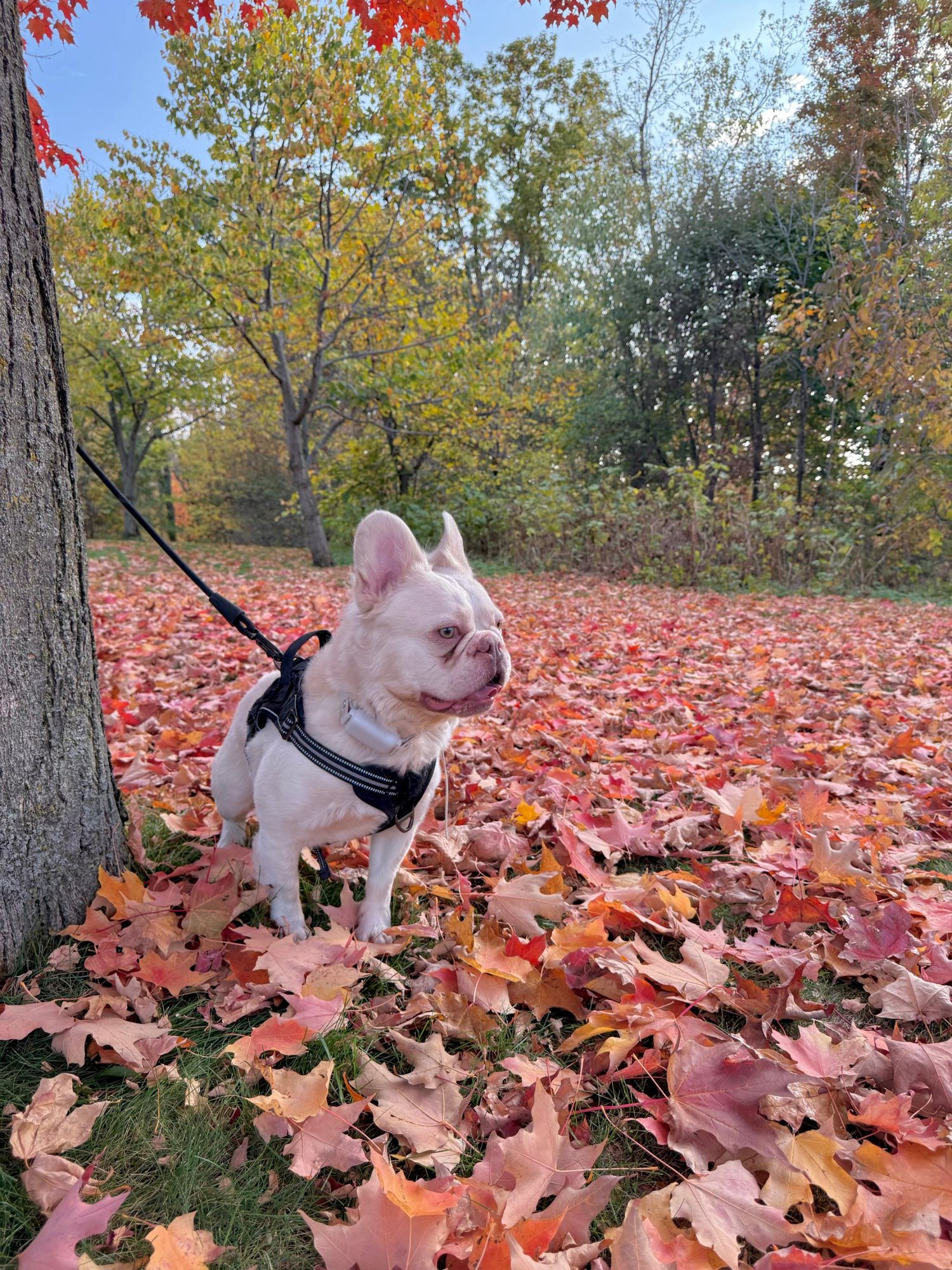
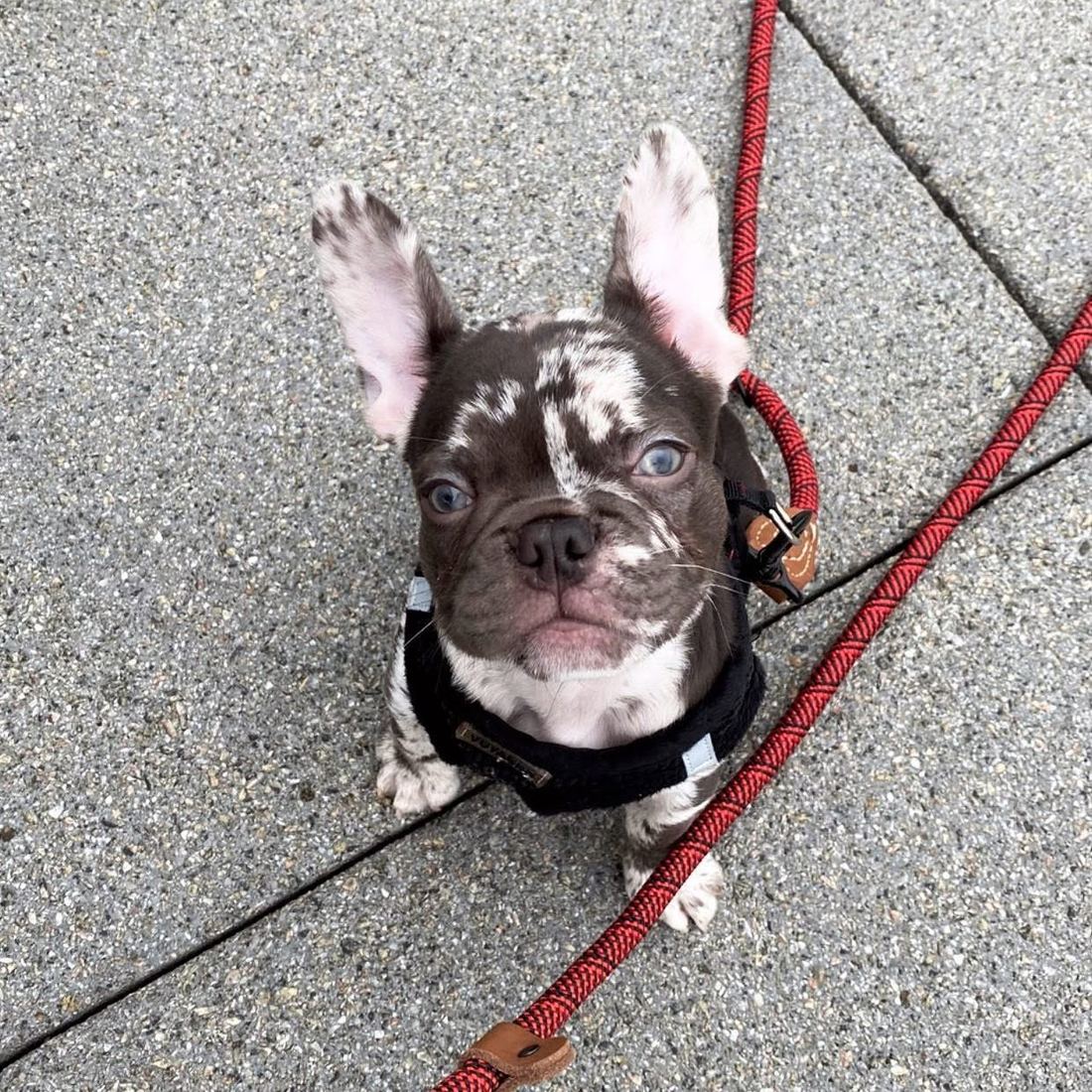
Puppies need very different exercise than adults. Their bones, muscles and joints are still developing, so daily walks are not necessary or recommended, and can cause complications rather than health benefits.
Free play is best
The best exercise for a puppy is free play with toys suited to their age.
Socialization counts
Meeting people, pets and new places burns energy and teaches your puppy how to interact.
No public walks before 3 months
Puppies under three months are not fully vaccinated yet.
The 2-minute rule
If you must walk your puppy, allow about 2 minutes per month of age. A 3-month-old walks about 6 minutes.
Stop when tired
End the walk right away if your puppy pants heavily or lags behind.
Needs grow with age
Your Frenchie will need more exercise as they get older.
Adults
How Often to Exercise
Frenchies are generally low-energy and do well in apartments, but they still need exercise every day.
At least once a day
A dog park visit or a walk around the block both work.
15 to 20 minutes
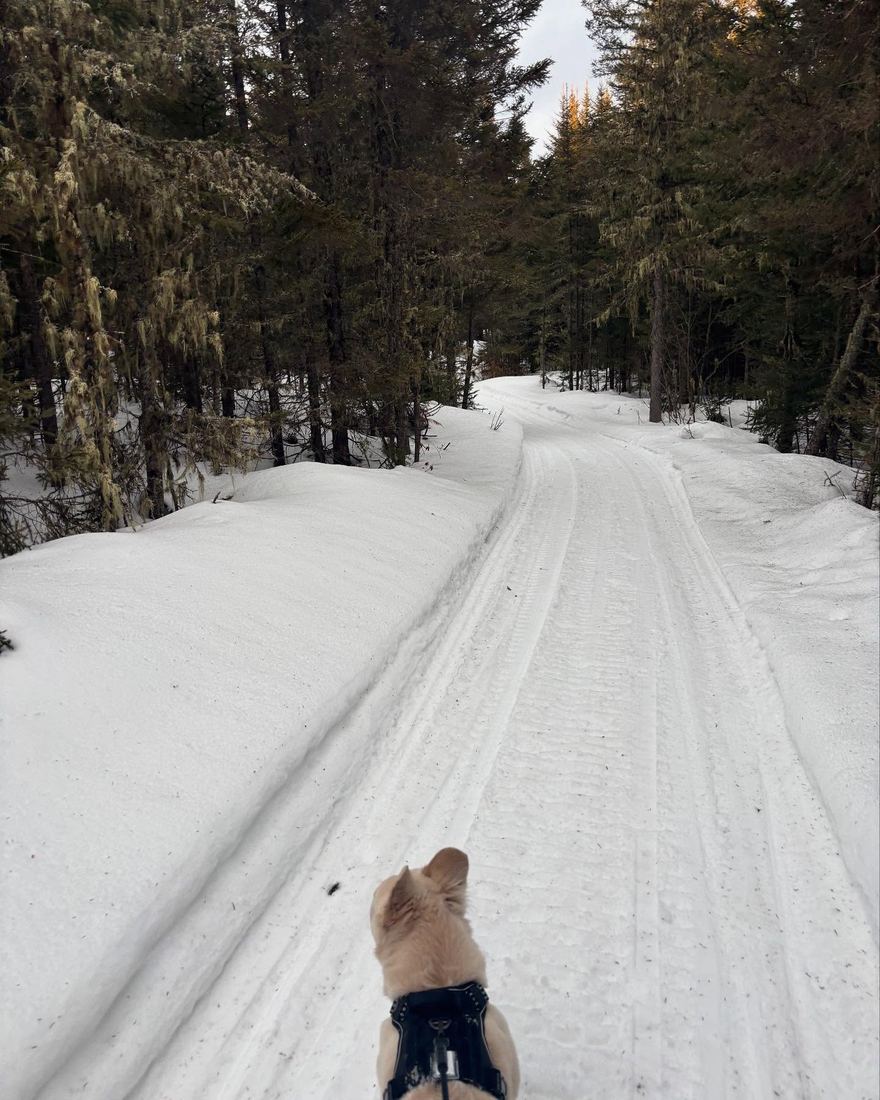
Adult Frenchies should walk about 15 to 20 minutes a day at minimum.
Short and gentle
Short walks and playtime at home give enough exercise without overworking your dog.
Engage their mind
Choose activities that use both their intelligence and their love of people.
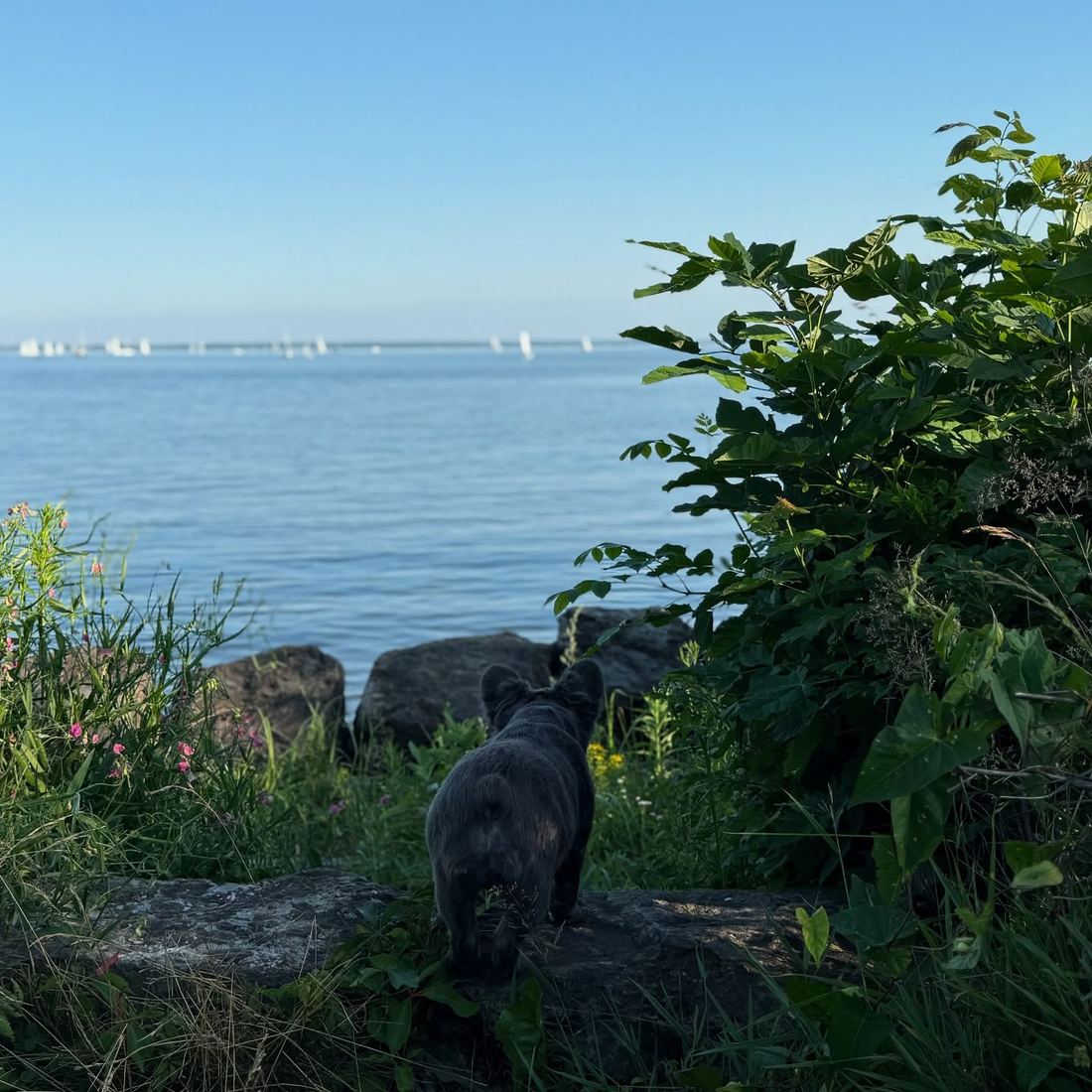
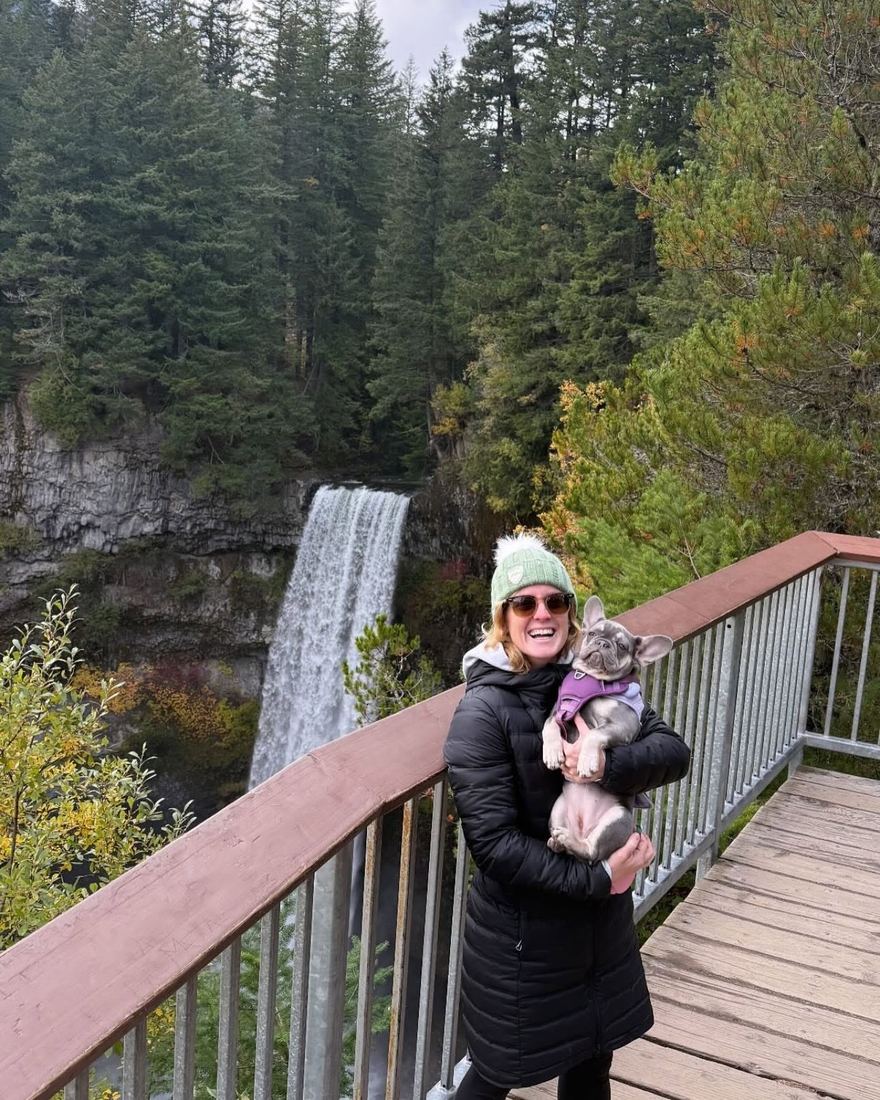
Ideas
Types of Exercise
In the city
Walk to a local spot, such as your coffee shop.
In the suburbs
Play actively in the yard, or visit a dog park to socialize with other dogs.
Indoors in winter
Use house-friendly toys, like a tennis ball or a favourite toy.
Hide and seek
Teach a “stay” cue, hide while repeating it, then use a “come” cue so your dog finds you. Treats help at first; soon they search on their own.
Safety
The Risks of Over-Exercise
All dogs can be over-exercised, but Frenchies are at higher risk because their flat faces and short noses make it hard to regulate their temperature.
Watch for tiredness
Signs of tiredness tell you how much is enough. Frenchies usually slow down and try to cool off on their own.
Puppies and seniors
Overworking them raises the risk of joint problems and heat exhaustion. Older Frenchies tire more easily.
Keep cool
Walk when it is below about 21 °C (70 °F), play in air conditioning in summer, and always bring water and find shade. A dog or children's pool helps them cool down.
Heat exhaustion
Early signs are heavy panting and foamy saliva. Cool your dog with cool water and a fan.
On the leash
Walking Tips
A harness, not a collar
A harness protects their restricted airways and keeps them from jumping at things.
Morning or evening
Cooler hours help prevent overheating, especially in hot weather.
Quality treats
Treats keep your dog beside you instead of pulling on the harness.
Nippy puppies
Puppies may nip when excited or around new people and dogs. Early socialization helps calm this.
Know the signs
Signs of Over-Exercise
Worn paw pads
Check under the paws regularly for tears or blisters.
Sore muscles
Your dog struggles to get up after resting, or avoids stairs.
Overheating
A body temperature above 106 °F (41 °C) is overheating.
Joint pain
Too much exertion can cause joint pain.
Behaviour changes
A dog who suddenly avoids walks may need a vet visit.
Why it matters
The right amount keeps joints limber, muscles strong, prevents obesity and supports a happy, healthy mind.